When Is Brain Tumor Surgery Necessary?
Brain tumors can vary in type, size, and severity. While not all tumors require surgery, timely intervention is crucial in many cases to prevent complications and improve outcomes. Understanding when surgery is needed can help patients and families make informed decisions.
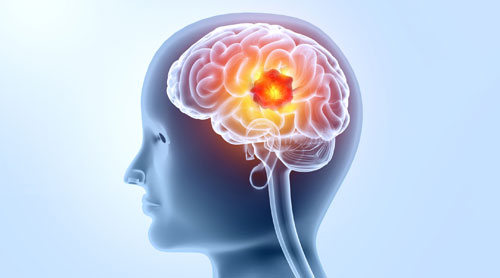
Brain tumors may be benign (non-cancerous) or malignant (cancerous). Depending on their location and growth, they can affect vital brain functions. Early diagnosis and proper evaluation are key to determining the right treatment approach.
Common Symptoms of Brain Tumors
- Persistent or severe headaches
- Seizures or sudden convulsions
- Weakness or numbness in limbs
- Vision, speech, or balance problems
- Changes in memory, behavior, or personality
When Is Surgery Recommended?
- Large Tumor Size: When the tumor is large and causing pressure on the brain.
- Progressive Symptoms: Worsening neurological symptoms affecting daily life.
- Accessible Location: Tumors that can be safely removed through surgery.
- Diagnostic Confirmation: To obtain tissue (biopsy) for accurate diagnosis.
- Failure of Other Treatments: When medications or radiation are not sufficient.
Benefits of Brain Tumor Surgery
- Relief from Symptoms: Reduces pressure and improves neurological function.
- Tumor Removal: Complete or partial removal helps control disease progression.
- Accurate Diagnosis: Helps determine tumor type for further treatment.
- Improved Quality of Life: Enhances daily functioning and comfort.
- Better Treatment Outcomes: Supports additional therapies like radiation or chemotherapy.
Recovery After Brain Tumor Surgery
Recovery depends on the type of surgery and the patient’s overall health. Most patients require a short hospital stay followed by rehabilitation, including physiotherapy or speech therapy if needed. Regular follow-up is essential for monitoring recovery and preventing recurrence.
Conclusion
Brain tumor surgery becomes necessary when symptoms worsen, the tumor grows, or it poses a risk to vital brain functions. Early consultation with a neurosurgeon ensures timely diagnosis and the best possible treatment plan for optimal outcomes.