Endoscopic & Open Spine Surgery
Endoscopic and open spine surgery are advanced treatment approaches used to manage various spine disorders affecting the neck, back, and spinal nerves. Depending on the condition and severity, surgery may be performed using minimally invasive endoscopic techniques or conventional open procedures.
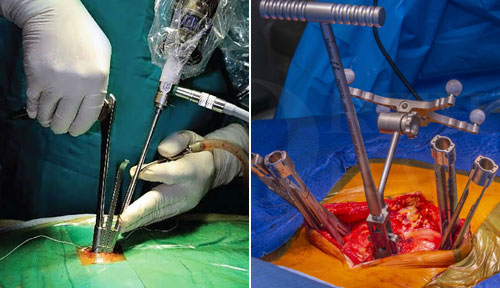
These procedures are designed to relieve pain, reduce nerve compression, restore spinal stability, and improve mobility. Minimally invasive spine surgery offers faster recovery, less pain, and smaller incisions compared to traditional surgery.
Conditions Treated
- Slip disc (herniated disc)
- Spinal stenosis
- Sciatica and nerve compression
- Degenerative spine disorders
- Spinal fractures and trauma
- Chronic neck and back pain
Symptoms That May Require Spine Surgery
- Persistent neck or back pain
- Pain radiating to arms or legs
- Numbness or tingling sensations
- Weakness in limbs
- Difficulty walking or balancing
- Failure of medications or physiotherapy
Treatment Approach
Treatment is planned after detailed clinical evaluation and imaging studies such as MRI or CT scans. Whenever possible, minimally invasive endoscopic spine surgery is preferred to reduce tissue damage and promote faster recovery. Open surgery may be required for complex spine conditions requiring extensive correction or stabilization.
Benefits of Advanced Spine Surgery
Modern spine surgery techniques help reduce pain, improve movement, and enhance overall quality of life. Early diagnosis and appropriate treatment can prevent long-term complications and support better recovery outcomes.