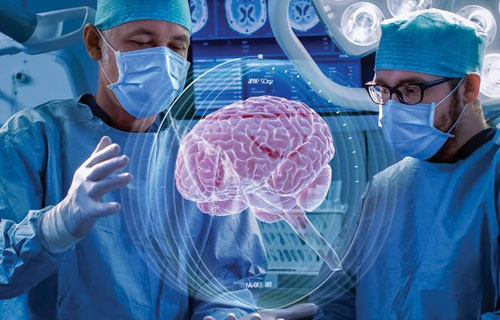
Cranial & Spinal Trauma
Cranial and spinal trauma can result from accidents, falls, sports injuries, or other high-impact events that affect the brain, skull, or spine. These injuries require immediate evaluation and specialized treatment to prevent serious complications and long-term neurological damage.
Dr. Sagar Gawali completed his neurosurgical training at Sion Hospital, one of the major trauma centres in India, where he gained extensive experience in managing complex cranial and spinal trauma cases. He has successfully operated on more than 150–200 trauma cases, with expertise in emergency neurosurgical care and advanced trauma management.
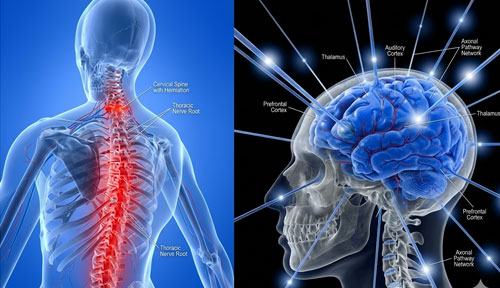
Advanced diagnostic techniques and timely neurosurgical intervention play a vital role in managing traumatic brain and spine injuries effectively. Treatment is planned based on the severity of the injury, neurological status, and overall patient condition.
Conditions Treated
- Head injuries and traumatic brain injury (TBI)
- Skull fractures
- Brain hemorrhage and hematoma
- Spinal cord injuries
- Vertebral fractures and spine trauma
- Nerve compression after trauma
Symptoms of Cranial and Spinal Trauma
- Severe headache or loss of consciousness
- Neck or back pain after injury
- Weakness or numbness in arms or legs
- Difficulty walking or maintaining balance
- Seizures or confusion
- Loss of bladder or bowel control
Treatment Options
Treatment may include emergency care, medications, monitoring, minimally invasive procedures, or advanced neurosurgical intervention depending on the injury. The primary goal is to stabilize the patient, relieve pressure on the brain or spinal cord, and restore neurological function.
Why Early Treatment Matters
Prompt diagnosis and treatment of cranial and spinal trauma significantly improve recovery and reduce the risk of permanent disability. Early medical attention is essential for achieving the best possible outcome.