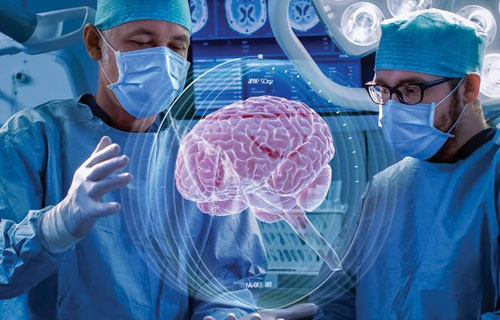
Neuroendoscopy
Neuroendoscopy is a minimally invasive neurosurgical technique that uses a small camera called an endoscope to diagnose and treat conditions affecting the brain and ventricular system. This advanced approach allows surgeons to perform precise procedures through smaller openings with minimal damage to surrounding tissues.
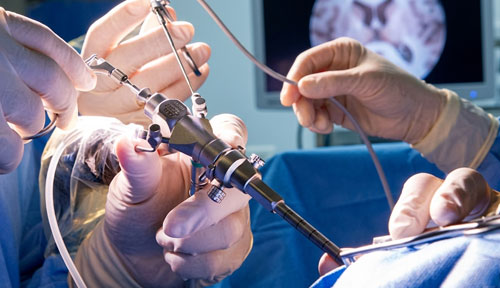
Neuroendoscopic procedures offer several advantages over traditional open surgery, including less pain, reduced hospital stay, faster recovery, and improved cosmetic outcomes.
Conditions Treated
- Hydrocephalus
- Brain cysts
- Intraventricular tumors
- Obstructive cerebrospinal fluid (CSF) disorders
- Selected skull base lesions
- Endoscopic third ventriculostomy (ETV)
Symptoms That May Require Evaluation
- Persistent headaches
- Nausea and vomiting
- Difficulty with balance or walking
- Blurred or double vision
- Memory or concentration problems
- Symptoms related to increased brain pressure
Treatment Approach
Detailed neurological examination and imaging studies such as MRI or CT scans are used to plan treatment. Neuroendoscopy enables accurate visualization and treatment of brain conditions through minimally invasive techniques, helping reduce surgical trauma and improve recovery.
Benefits of Neuroendoscopy
Neuroendoscopy provides a safer and less invasive alternative for selected brain conditions. Smaller incisions, reduced pain, shorter hospital stay, and quicker recovery make it an effective treatment option for many patients requiring neurosurgical care.